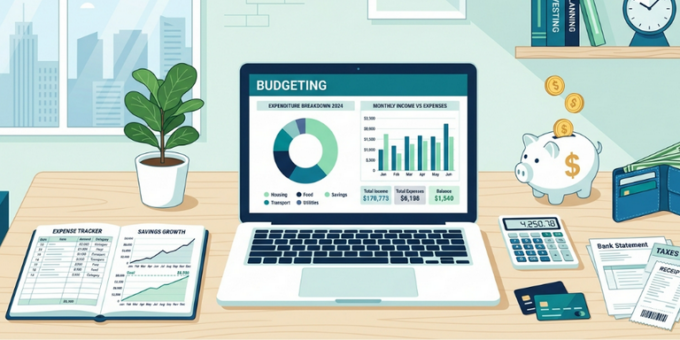
Managing money effectively is one of the most valuable life skills you can develop. Whether you’re saving for a dream vacation, paying off debt, or planning for retirement, a well-structured budgeting guide can help you stay in control of your finances. Budgeting is not about restricting your lifestyle—it is about making smarter financial decisions that support your long-term goals.
In this comprehensive guide, you’ll learn practical budgeting strategies, proven saving techniques, and effective expense planning methods to improve your financial health. You’ll also discover how increasing your income through opportunities like affiliate marketing, a dropshipping business, or another online business can strengthen your financial future.
Why Budgeting Matters
A budget gives every dollar a purpose. Instead of wondering where your money went each month, you’ll know exactly how your income is being used.
The primary benefits of budgeting include:
- Better control over spending habits
- Reduced financial stress
- Higher savings rate
- Faster debt repayment
- Improved emergency preparedness
- Greater financial independence
When you consistently follow a budget, financial goals become much easier to achieve.
Understand Your Monthly Income
The first step in creating an effective budget is calculating your monthly income.
Include all reliable income sources such as:
- Salary or wages
- Freelance work
- Rental income
- Investment returns
- Side hustles
- Passive income streams
Knowing your exact monthly income provides a realistic foundation for expense planning.
Track Every Expense
Many people underestimate how much they spend each month. Tracking every expense helps identify unnecessary spending and opportunities to save.
Divide expenses into categories such as:
Fixed Expenses
- Rent or mortgage
- Insurance
- Loan payments
- Internet
- Subscriptions
Variable Expenses
- Groceries
- Dining out
- Transportation
- Entertainment
- Shopping
- Utilities
Recording expenses for at least one month provides valuable insights into your spending patterns.
Create a Realistic Budget
A successful budget should match your lifestyle while encouraging financial growth.
One of the most popular budgeting methods is the 50/30/20 rule:
- 50% for necessities
- 30% for personal wants
- 20% for savings and debt repayment
You can adjust these percentages based on your financial goals and current obligations.
Build an Emergency Fund
Unexpected expenses can happen at any time. Medical emergencies, vehicle repairs, or job loss can quickly disrupt your finances.
Financial experts generally recommend saving three to six months of living expenses in an emergency fund.
Start small if necessary. Even saving a little every month builds financial security over time.
Reduce Unnecessary Spending
Small daily expenses often have the biggest long-term impact.
Consider reducing:
- Unused subscriptions
- Frequent takeout meals
- Impulse shopping
- Luxury purchases
- Expensive entertainment
Redirecting these savings toward investments or debt repayment accelerates financial progress.
Set SMART Financial Goals
Your budget becomes much more effective when it supports specific financial goals.
Examples include:
- Save $5,000 for an emergency fund
- Pay off credit card debt within 12 months
- Purchase your first home
- Invest for retirement
- Build multiple passive income sources
Clear goals help maintain motivation throughout your financial journey.
Increase Your Income
While reducing expenses is important, increasing income creates even more financial opportunities.
Popular income-generating options include:
- Freelancing
- Consulting
- Selling digital products
- Starting an online business
- Content creation
- Affiliate marketing
- Launching a dropshipping business
Additional income can significantly improve savings, investments, and debt repayment.
Affiliate Marketing vs Dropshipping
Many entrepreneurs compare affiliate vs dropshipping before starting an online venture.
Affiliate Marketing
With affiliate marketing, you promote products or services and earn commissions on successful referrals.
Advantages include:
- Low startup costs
- No inventory management
- No customer support responsibilities
- Scalable income potential
Dropshipping Business
A dropshipping business allows you to sell products without holding inventory. Suppliers ship products directly to customers.
Benefits include:
- Low inventory risk
- Large product selection
- Flexible business model
- Opportunity to build your own brand
Choosing between affiliate vs dropshipping depends on your business goals, available time, and desired level of involvement.
Automate Your Savings
Automation removes the temptation to spend money before saving it.
Consider:
- Automatic transfers to savings accounts
- Automatic retirement contributions
- Recurring investment deposits
Consistent automated savings build wealth with minimal effort.
Review Your Budget Monthly
Your financial situation changes over time. Review your budget every month to ensure it still matches your income and expenses.
Look for opportunities to:
- Increase savings
- Reduce spending
- Pay down debt faster
- Adjust financial goals
Regular reviews keep your budget accurate and effective.
Use Helpful Budgeting Tools
Modern financial tools make budgeting easier than ever.
Popular options include spreadsheets, budgeting apps, and online financial calculators.
Helpful resources include:
Related Articles
- How to Start Affiliate Marketing Successfully
- Best Passive Income Ideas for Beginners
- Complete Online Business Guide
- Top Personal Finance Tips
Common Budgeting Mistakes to Avoid
- Not tracking expenses
- Setting unrealistic goals
- Ignoring emergency savings
- Overspending on non-essential items
- Failing to review the budget regularly
Avoiding these mistakes helps maintain long-term financial stability.
Conclusion
A solid budgeting guide is the foundation of lasting financial success. By understanding your income, tracking expenses, reducing unnecessary spending, and consistently saving, you can achieve greater financial freedom.
Remember that budgeting is an ongoing process, not a one-time activity. Regular reviews, disciplined spending, and diversified income sources—including affiliate marketing, a dropshipping business, or another online business—can accelerate your journey toward financial independence.
Start today with small, consistent improvements. Over time, these habits will build a stronger financial future and create sustainable passive income opportunities that support your long-term goals.
