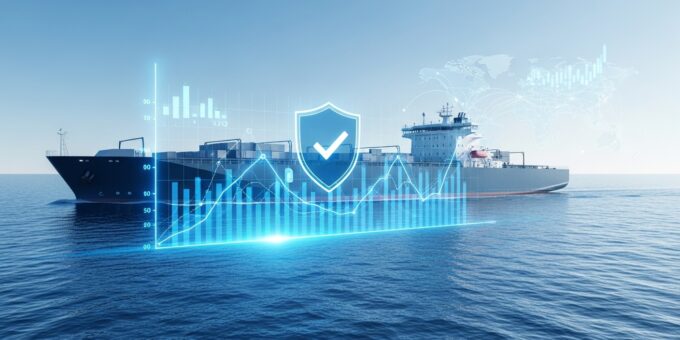
Shipping is the backbone of global trade. Yet rising logistics fees, cargo risks, and unexpected losses can quickly reduce profits. Businesses that rely on maritime transport must focus on cost control without sacrificing protection. That is where smart ship insurance coverage strategies become essential.
This guide explains how to reduce operational expenses while maintaining strong protection for vessels, cargo, and liability. The goal is simple. Protect assets. Prevent losses. Improve long-term profitability.
Why Ship Insurance Is Critical for Cost Control
Many companies see insurance as a fixed expense. In reality, the right policy works as a financial shield. Marine accidents, piracy, weather damage, and port delays can create massive losses. Without coverage, a single incident may destroy years of profit.
Strategic insurance planning transforms risk into predictable cost. This stability supports scaling, budgeting, and long-term planning. It also helps investors trust your logistics model, especially if your revenue streams include online business operations or global product distribution.
Key Types of Ship Insurance Coverage
Hull and Machinery Insurance
This policy protects the physical structure of the vessel and onboard equipment. Damage from storms, collisions, or grounding is covered. Choosing the correct deductible and valuation method can significantly reduce premiums.
Protection and Indemnity (P&I)
P&I insurance covers third-party liabilities. These include crew injury, pollution damage, and cargo loss claims. Strong liability coverage prevents catastrophic legal expenses.
Cargo Insurance
Cargo policies protect goods during transit. This is crucial for companies operating global affiliate marketing supply chains or e-commerce logistics. Even small shipment losses can affect customer trust and refund costs.
Loss of Hire Insurance
If a vessel cannot operate due to damage, this policy compensates lost income. It ensures stable cash flow during repairs or investigations.
Smart Strategies to Reduce Ship Insurance Costs
1. Conduct a Professional Risk Assessment
Insurance pricing depends on measurable risk. Vessel age, maintenance records, crew training, and sailing routes all matter. A detailed risk audit helps insurers offer lower premiums.
Working with certified marine surveyors or risk consultants can reveal hidden cost-saving opportunities. Many companies save thousands annually simply by improving documentation and compliance.
2. Bundle Policies with One Marine Insurer
Combining hull, cargo, and liability coverage under one provider often unlocks discounts. Insurers reward long-term partnerships and transparent risk profiles.
Bundling also simplifies claims management and reduces administrative overhead. This efficiency mirrors cost-optimization tactics used in scalable dropshipping business logistics systems.
3. Increase Deductibles Strategically
Higher deductibles reduce premium payments. This approach works best for financially stable companies that can absorb minor losses internally.
However, the deductible must align with realistic cash reserves. The goal is balance. Lower annual premiums without exposing the business to dangerous short-term risk.
4. Invest in Preventive Maintenance
Well-maintained vessels receive better insurance rates. Regular engine servicing, hull inspections, and safety upgrades reduce accident probability.
Preventive maintenance costs far less than emergency repairs or denied insurance claims. It also protects operational continuity, which is vital for companies building passive income through automated logistics or recurring shipments.
5. Train Crew for Safety Compliance
Human error causes many maritime incidents. Certified safety training lowers accident frequency and improves insurer confidence.
Programs aligned with international maritime standards demonstrate professionalism. Insurers often provide premium discounts for documented crew training initiatives.
6. Optimize Sailing Routes and Weather Monitoring
Advanced navigation software reduces exposure to storms, piracy zones, and high-risk waters. Fewer incidents mean fewer claims. Fewer claims lead to lower renewal premiums.
Modern fleet analytics tools can be explored through maritime technology resources such as International Maritime Organization guidelines and safety frameworks.
7. Review Coverage Annually
Shipping operations evolve. Routes change. Cargo value shifts. Vessel conditions improve or decline. Annual policy reviews prevent overpaying for outdated coverage.
Competitive quotes from multiple insurers also strengthen negotiation power. Even small percentage reductions can produce major yearly savings.
Using Digital Tools to Lower Marine Insurance Expenses
Technology is transforming maritime risk management. Fleet monitoring sensors, AI-based weather prediction, and automated compliance tracking reduce uncertainty. Insurers reward data transparency with better pricing.
Companies that already operate digital sales channels or online business fulfillment systems can integrate logistics analytics into their broader financial strategy. This alignment improves both shipping efficiency and insurance cost control.
Common Mistakes That Increase Ship Insurance Costs
Underinsuring Cargo Value
Some businesses choose minimal coverage to save money. This often backfires. Partial reimbursement after a loss can exceed the premium savings.
Ignoring Policy Exclusions
Not all risks are covered automatically. War zones, piracy regions, or improper packaging may void claims. Understanding exclusions prevents financial surprises.
Delaying Claims Reporting
Late reporting can reduce compensation or invalidate coverage. Clear internal reporting procedures are essential.
Choosing Price Over Reputation
The cheapest insurer is not always reliable. Financial stability and claim settlement history matter. Trusted providers ensure real protection when incidents occur.
How Smart Insurance Supports Business Growth
Cost-efficient marine insurance does more than prevent losses. It enables expansion. Stable logistics costs allow companies to scale global trade, support affiliate vs dropshipping distribution models, and enter new markets with confidence.
Investors and partners also prefer businesses with structured risk management. Strong insurance coverage signals professionalism and long-term sustainability.
Future Trends in Ship Insurance and Cost Reduction
Usage-Based Insurance Models
Some insurers now price policies based on real-time vessel activity. Safer routes and lower sailing frequency reduce premiums.
Blockchain for Claims Processing
Blockchain technology can speed up verification and payment. Faster settlements reduce operational disruption.
AI Risk Prediction
Artificial intelligence helps predict accidents before they happen. Preventive alerts lower claim frequency and insurance costs.
These innovations will reshape maritime finance in the coming decade. Businesses that adapt early gain a competitive advantage.
Final Thoughts
Reducing expenses in maritime operations requires strategy, not shortcuts. The right ship insurance coverage strategies protect assets, stabilize cash flow, and support long-term growth.
By assessing risk, bundling policies, investing in safety, and leveraging digital technology, businesses can significantly lower insurance costs without sacrificing protection. This balanced approach strengthens profitability across global logistics, e-commerce distribution, and scalable online business ecosystems.
Smart insurance is not just a requirement. It is a competitive advantage in modern shipping.
