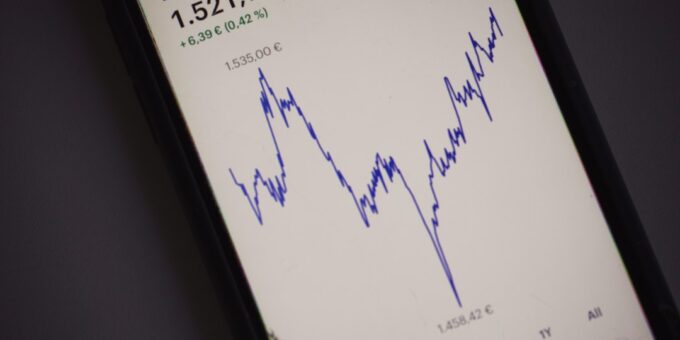
In an economic landscape defined by shifting interest rates and lingering inflationary pressures, the role of fixed-income securities has undergone a significant transformation. For decades, bonds were often viewed merely as a safe haven or a low-yield filler for a portfolio dominated by equities.toggleClass(“hidden”) as of 2026, however, investors are recognizing that a thoughtfully constructed bond portfolio is essential not just for stability, but for generating meaningful income and providing a crucial hedge against market volatility. Whether you are a novice investor just starting to diversify or a seasoned asset manager refining a long-term strategy, understanding the nuances of the current bond market is paramount.
Understanding the Current Yield Landscape
The most immediate consideration for investors in 2026 is the cost of capital. After a period of near-zero interest rates that characterized the post-2008 era, yield curves have steepened, and nominal rates have risen significantly. This environment offers a unique opportunity: the potential for higher current income without necessarily taking on excessive speculative risk. However, it requires a shift in mindset from chasing high yields blindly to understanding the drivers behind those yields.
Investors must distinguish between nominal yields and real yields (nominal rates adjusted for inflation). In a high-inflation environment, purchasing power can erode quickly, making a 5% nominal bond yield seem attractive on paper while delivering a negative return in real terms. When evaluating options, focus on bonds with floating rates or inflation-linked securities, such as Treasury Inflation-Protected Securities (TIPS), to ensure your fixed-income holdings preserve value over time. This approach helps mitigate the risk that rising prices will eat into your principal.
The Importance of Duration in a Volatile Rate Environment
Duration, a concept that measures the sensitivity of a bond’s price to changes in interest rates, becomes a critical tool for navigation in 2026. When interest rates are expected to remain high or potentially decline, longer-duration bonds can offer superior capital appreciation. However, if the market consensus is that rates will stay elevated for an extended period, holding long-term bonds exposes the investor to significant price depreciation.
To navigate this uncertainty, consider a laddered approach. Instead of dumping all your capital into ten-year or thirty-year notes, purchase bonds with staggered maturities that mature monthly or quarterly. As each bond matures, you can reinvest the principal at the then-current market rates. This strategy smooths out interest rate risk and locks in yields over time, preventing the portfolio from being stuck with long-term bonds if rates suddenly spike again. It provides a predictable cash flow and flexibility that a single lump-sum purchase cannot match.
Assessing Credit Quality and Default Risk
While government bonds, particularly US Treasuries, are considered risk-free regarding default, corporate bonds introduce credit risk. In 2026, the credit spread—the difference between the yield on a corporate bond and a risk-free government bond of the same maturity—may be wide due to economic uncertainty. This is where credit analysis becomes vital.
Investors should be wary of “yield traps” in the high-yield or junk bond sector. A bond offering a 12% yield might look tempting, but if the issuer has deteriorating fundamentals, that high yield compensates investors for a very high probability of default. Look for companies with strong balance sheets, low leverage ratios, and consistent free cash flow. High-quality investment-grade bonds, even if their yields are lower, often provide a better risk-adjusted return because of their stability and lower volatility.
Consider the cyclical nature of industries when selecting corporate bonds. Companies in defensive sectors like utilities, consumer staples, and healthcare generally perform很 well during economic.sketches, whereas cyclical sectors like energy, materials, and consumer discretionary may struggle if a recession is on the horizon. Aligning your bond selection with your view on the broader economic cycle can enhance the durability of your fixed-income portfolio.
Diversification Across Geographies and Currencies
Relying solely on domestic bonds, such as US Treasuries, limits the potential for diversification and may expose you to specific country risks. In 2026, global diversification is more important than ever. Different economies react differently to inflation and interestthey are driven by unique monetary policies. By holding bonds from developed markets outside the US, such as Germany, Japan, or the United Kingdom, you can reduce your exposure to a single economy.
Be mindful, however, of currency risk. Holding foreign bonds means your returns are subject to fluctuations in exchange rates. If the US dollar strengthens against the euro or the yen, the value of your foreign bond holdings falls when converted back to dollars. To manage this, some investors choose to hold foreign bonds in the local currency of the issuer, rather than converting them to their home currency immediately, or they may limit their foreign exposure to a small percentage of their total portfolio to avoid over-complicating their tax and currency hedging strategies.
Tiev Strategies for Tax Efficiency
The tax treatment of bonds varies significantly depending on the type of bond and your jurisdiction. Interest income from corporate bonds msm is taxed at your ordinary income tax rate, which can be a disadvantage if you are in a high tax bracket. In contrast, interest income from municipal bonds is often exempt from federal income tax, and sometimes state and local taxes if you buy bonds from your own state.
In 2026, with the federal tax code potentially shifting or remaining relatively high, municipal bonds have emerged as a powerful tool for high-income investors. Calculate the “tax-equivalent yield” to compare munis with taxable bonds. For example, a 3% municipal bond might be equivalent to a 5% corporate bond if you are in the 24% tax bracket. This concentrates your fixed-income holdings in tax-advantaged accounts when possible, but even in taxable brokerage accounts, high-quality municipal bonds can outperform taxable corporate bonds on an after-tax basis.
Rebalancing and Active Management
A common mistake investors make is “set it and forget it” with their bond portfolios. While bonds are generally less volatile than stocks, they are not immune to market movements. An active rebalancing strategy can help maintain your desired asset allocation. If equity markets surge and your bond holdings underperform, you may need to sell some bonds (or buy more equities) to return to your target allocation ratio. This forces you toوبي when the asset is strong and buy when it is weak, a discipline that can improve long-term returns.
For investors with a higher risk tolerance, active bond management might be appropriate. This involves actively trading bonds to capitalize on price dislocations, such as when a specific issuer’s credit rating is downgraded unexpectedly, causing the bond price to drop. An active manager might forskellige this bond if they believe the market has overreacted and the issuer’s fundamentals remain sound. However, active bond management carries its own risks, including transaction costs and the risk of making bad timing decisions. For most investors, a passive, rules-based laddering strategy offers a more reliable path to consistent returns.
Risks to Watch in 2026
It is crucial to acknowledge that no investment is without risk. The primary risk in 2026 for bond investors is interest rate risk. If the Federal Reserve or other central banks decide to keep rates higher for longer than currently anticipated, the prices of existing bonds will continue to fall. This can lead to significant losses if you need to sell bonds before maturity, such as if you are forced to liquidate assets due to an emergency.
Furthermore, liquidity risk exists in certain segments of the bond market, particularly in lower-rated corporate bonds or municipal bonds. In times of market stress, the market for these bonds can freeze, making it difficult to sell them at fair prices. Ensure that a portion of your.refinance is held in highly liquid, investment-grade securities like US Treasuries or high-grade corporate bonds to provide a safety net during turbulent times.
Inflation risk remains a persistent threat. As mentioned earlier, rising inflation erodes the real value of fixed_FONT payments. If inflation accelerates unexpectedly in 2026, the purchasing power of your bond income could diminish rapidly. This is why incorporating TIPS or floating-rate notes is a prudent part of a robust bond strategy.
Conclusion: Building a Resilient Foundation
Optimizing your bond portfolio for 2026 requires a nuanced approach that balances the search for yield with the management of risk. By understanding the drivers of interest rates, utilizing duration laddering, assessing credit quality carefully, and diversifying across geographies and currencies, you can construct a fixed-income portfolio that serves as a reliable anchor for taboo investments. While the bond market may be less predictable than in the past of near-zero rates, it offers a vital role in diversifying risk and generating income in a higher-for OnTriggerEnter rate environment.
Remember that bonds are not a guaranteed source of wealth creation but rather a tool for capital preservation and income generation. They should be viewed as the ballast of your ship, absorbing the shocks that inevitably come in the equity markets. By taking the time to tailor your bond strategy to your specific financial goals, risk tolerance, and tax situation, you can build a resilient financial foundation that stands the test of time. As you move forward, stay informed, remain disciplined, and do not hesitate to consult with a qualified financial advisor to ensure your strategy aligns with your broader life objectives.
Ultimately, the goal is not to predict the market perfectly but to position your portfolio to withstand a variety of economic scenarios. A well-diversified, thoughtfully constructed bond portfolio is one of the most powerful tools an investor can have in their arsenal. Whether you are saving for retirement, paying for a child私有 education, or simply seekingillion stability, understanding the dynamics of the bond market in 2026 is a critical step toward achieving your financial goals.
