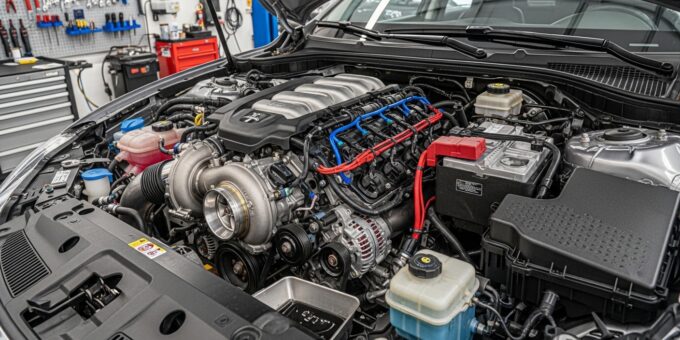
How to Maintain Your Car Engine for Maximum Performance and Fuel Efficiency is one of the most important topics every car owner should understand. Your engine is the heart of your vehicle. When it runs smoothly, you enjoy better acceleration, lower fuel costs, and fewer expensive repairs.
Proper engine maintenance also protects your investment. Whether you drive daily for work or operate your car as part of your online business, performance and efficiency directly impact your budget. In this complete guide, you’ll learn practical, proven strategies to keep your engine running like new.
Why Engine Maintenance Matters More Than You Think
Many drivers ignore early warning signs. That mistake leads to higher repair bills and lower fuel economy. Regular maintenance improves combustion efficiency. It also reduces internal friction and prevents overheating.
According to the National Highway Traffic Safety Administration, routine vehicle maintenance significantly reduces breakdown risks. A well-maintained engine burns fuel more efficiently. As a result, you save money every month.
If you rely on your vehicle for delivery work, rideshare, or client meetings, engine reliability supports steady income. Just like building passive income requires consistency, engine performance depends on routine care.
Follow the Manufacturer’s Maintenance Schedule
Your car’s owner manual is your best starting point. Manufacturers design engines with specific service intervals. These schedules are based on engineering data and real-world testing.
Key Maintenance Intervals Include:
- Oil changes
- Air filter replacement
- Spark plug inspection
- Fuel system cleaning
- Timing belt checks
Ignoring these intervals reduces engine efficiency. It also increases wear and tear. Staying on schedule keeps performance stable and predictable.
Change Engine Oil Regularly
Oil is essential for lubrication. It reduces friction between moving parts. Over time, oil breaks down and collects debris.
Dirty oil forces the engine to work harder. That reduces fuel efficiency. Most modern vehicles require oil changes every 5,000 to 7,500 miles. However, always check your manual for exact recommendations.
Use the Correct Oil Type
Using the wrong oil grade harms engine performance. Synthetic oil often provides better protection in extreme temperatures. Although it costs more upfront, it improves long-term efficiency.
Regular oil changes are one of the simplest ways to apply the principles of How to Maintain Your Car Engine for Maximum Performance and Fuel Efficiency.
Replace Air Filters for Better Combustion
Your engine needs clean air to mix with fuel. A clogged air filter restricts airflow. That reduces combustion efficiency.
When airflow drops, your engine burns more fuel. This lowers miles per gallon. Replacing the air filter every 12,000 to 15,000 miles improves acceleration and fuel economy.
A clean filter also protects internal components from dust and debris. Small maintenance steps lead to long-term savings.
Inspect and Replace Spark Plugs
Spark plugs ignite the air-fuel mixture. Worn plugs cause misfires and poor acceleration.
Symptoms of failing spark plugs include:
- Rough idling
- Slow acceleration
- Reduced fuel economy
- Engine hesitation
Most spark plugs last between 30,000 and 100,000 miles, depending on type. Replacing them on time restores power and improves efficiency immediately.
Keep the Fuel System Clean
Fuel injectors deliver gasoline into the combustion chamber. Over time, carbon deposits build up.
Dirty injectors disrupt spray patterns. That causes incomplete combustion. As a result, your engine wastes fuel.
How to Maintain a Clean Fuel System
- Use high-quality fuel
- Add fuel injector cleaner periodically
- Schedule professional fuel system cleaning if needed
Clean injectors improve throttle response and fuel economy. This step is essential in How to Maintain Your Car Engine for Maximum Performance and Fuel Efficiency.
Monitor Engine Coolant Levels
Overheating damages engines quickly. Coolant regulates engine temperature by absorbing excess heat.
Low coolant levels can cause:
- Engine overheating
- Warped cylinder heads
- Blown head gaskets
Check coolant levels monthly. Replace coolant according to manufacturer guidelines. Preventing overheating protects long-term performance.
Maintain Proper Tire Pressure
Tire pressure indirectly affects engine performance. Underinflated tires increase rolling resistance. That forces the engine to work harder.
Check tire pressure at least once a month. Proper inflation improves fuel economy and extends tire life.
Small efficiency improvements add up over time. Consistency matters in both car maintenance and building an online business.
Check the Timing Belt or Chain
The timing belt synchronizes engine valves and pistons. If it fails, severe engine damage can occur.
Most timing belts need replacement between 60,000 and 100,000 miles. Replacing it on time prevents catastrophic failure.
This preventive approach saves thousands in repairs. It aligns perfectly with the core principle of How to Maintain Your Car Engine for Maximum Performance and Fuel Efficiency.
Reduce Unnecessary Engine Load
Driving habits affect engine health. Aggressive acceleration increases fuel consumption and stress.
Smart Driving Tips:
- Avoid rapid acceleration
- Maintain steady speeds
- Limit excessive idling
- Reduce heavy cargo weight
Smooth driving improves fuel economy immediately. It also extends engine life.
Use Quality Replacement Parts
Cheap parts often fail quickly. Low-quality filters and components reduce efficiency.
Choose OEM or reputable aftermarket brands. While the upfront cost may be higher, the long-term savings are significant.
This mindset mirrors strategic decisions in affiliate marketing or launching a dropshipping business. Quality foundations lead to sustainable results.
Pay Attention to Warning Lights
The check engine light should never be ignored. Modern vehicles use sensors to detect performance issues early.
If the light appears, use a diagnostic scanner or visit a mechanic. Early detection prevents minor problems from becoming major repairs.
You can learn more about vehicle diagnostics at Car Care Council.
Keep Your Engine Clean
Dirt and debris trap heat. Cleaning the engine bay improves heat dissipation.
Be careful when washing the engine. Avoid spraying sensitive electronic components. A clean engine makes leaks easier to detect.
Regular Professional Inspections
Even if you perform basic maintenance yourself, annual professional inspections are wise. Mechanics can identify early signs of wear.
Professional servicing ensures optimal calibration and performance tuning. This supports maximum efficiency over the long term.
Fuel Efficiency and Long-Term Financial Benefits
Maintaining your engine reduces fuel costs. Over a year, even small improvements save hundreds of dollars.
Lower maintenance expenses also free up cash for investments. Some car owners reinvest savings into ventures like affiliate vs dropshipping comparisons when exploring digital income streams.
Whether your focus is building passive income or reducing household expenses, efficiency creates financial flexibility.
Final Thoughts
How to Maintain Your Car Engine for Maximum Performance and Fuel Efficiency is not complicated. It requires consistency, attention to detail, and preventive care.
Follow your maintenance schedule. Change oil regularly. Replace filters and spark plugs. Monitor coolant levels. Drive responsibly.
When you treat your engine with care, it rewards you with reliability, power, and better fuel economy. In the long run, disciplined maintenance protects both your vehicle and your wallet.
Start today. Small actions now prevent major expenses later.
