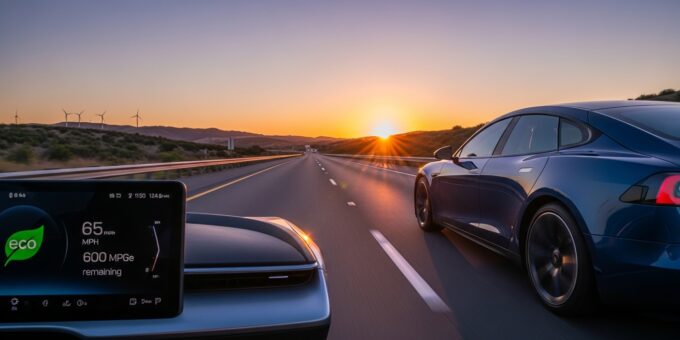
How to improve fuel efficiency and reduce driving costs in 2026 has become a priority for drivers worldwide. Rising fuel prices, inflation, and stricter environmental regulations mean that every kilometer driven inefficiently costs more than ever before. Fortunately, modern technology, smarter driving habits, and better vehicle maintenance make it possible to save significant money without sacrificing comfort or safety.
This guide explains proven strategies you can use in 2026 to lower fuel consumption, cut maintenance expenses, and make your daily driving more cost-effective.
Why Fuel Efficiency Matters More in 2026
Fuel efficiency is no longer just about saving a few dollars at the pump. In 2026, it directly impacts long-term vehicle ownership costs, resale value, and even insurance premiums in some regions. Efficient driving also reduces carbon emissions, helping drivers comply with evolving environmental standards.
Just as building passive income requires smart planning and consistency, reducing fuel costs depends on making small, repeatable improvements that add up over time.
Adopt Smarter Driving Habits
Drive Smoothly and Avoid Aggressive Acceleration
Aggressive driving wastes fuel faster than almost any other habit. Rapid acceleration, hard braking, and speeding can reduce fuel efficiency by up to 30 percent on highways.
Smooth acceleration, steady cruising, and gradual braking help your engine operate at optimal efficiency. Think of it like running an online business: consistent performance always beats reckless speed.
Maintain a Steady Speed
Using cruise control on highways can significantly improve fuel efficiency. It minimizes unnecessary speed changes that force the engine to burn extra fuel.
According to studies cited by energy efficiency experts, maintaining a constant speed can save several liters of fuel on long trips.
Keep Your Vehicle Properly Maintained
Check Tire Pressure Regularly
Underinflated tires increase rolling resistance and force your engine to work harder. This results in higher fuel consumption and uneven tire wear.
Checking tire pressure once a month can improve fuel efficiency by up to 3 percent. It is a simple habit with immediate savings.
Change Engine Oil on Schedule
Using the manufacturer-recommended engine oil reduces friction inside the engine. Modern synthetic oils designed for fuel efficiency can improve mileage, especially in newer vehicles.
Well-maintained engines are like successful affiliate marketing systems: optimized processes deliver better returns with less effort.
Replace Air Filters When Needed
A clogged air filter restricts airflow to the engine, reducing combustion efficiency. Replacing it improves performance and fuel economy, particularly in older vehicles.
Reduce Unnecessary Weight and Drag
Remove Excess Cargo
Every extra kilogram in your vehicle increases fuel consumption. Remove unused items from the trunk and cabin to reduce weight.
Lightening your vehicle is similar to streamlining a dropshipping business: eliminating inefficiencies boosts overall performance.
Minimize Aerodynamic Drag
Roof racks, cargo boxes, and bike carriers create wind resistance. Removing them when not in use can significantly improve highway fuel efficiency.
Experts from fuel economy authorities report that roof-mounted accessories can reduce mileage by up to 25 percent.
Use Fuel-Efficient Technology
Take Advantage of Eco Driving Modes
Most vehicles manufactured after 2023 include eco driving modes. These systems adjust throttle response, transmission behavior, and climate control to reduce fuel usage.
Using eco mode consistently can deliver noticeable savings over time, especially in city driving conditions.
Monitor Real-Time Fuel Data
Modern dashboards and mobile apps provide real-time feedback on fuel consumption. Monitoring this data helps drivers adjust habits instantly.
Much like tracking analytics in an online business, real-time insights enable smarter decisions that reduce waste.
Plan Trips More Efficiently
Combine Short Trips
Cold engines consume more fuel. Combining errands into a single trip reduces warm-up cycles and saves fuel.
Efficient trip planning also reduces wear and tear, lowering long-term maintenance costs.
Use Navigation Tools to Avoid Traffic
Traffic congestion leads to idling and frequent stops, both of which waste fuel. Navigation apps with live traffic data help drivers avoid delays and choose the most fuel-efficient routes.
According to traffic analytics providers, avoiding congestion can cut fuel usage by up to 15 percent in urban areas.
Consider Alternative Fuel Options
Hybrid and Electric Vehicles
Hybrid and electric vehicles continue to gain popularity in 2026. While upfront costs may be higher, long-term fuel and maintenance savings often outweigh the initial investment.
For drivers focused on long-term savings, hybrids offer a balanced approach between traditional engines and full electric models.
High-Quality Fuel Choices
Using the correct fuel grade recommended by the manufacturer ensures optimal engine performance. Premium fuel is not always necessary, but poor-quality fuel can reduce efficiency and cause engine issues.
Lower Driving Costs Beyond Fuel
Drive Less When Possible
Remote work and flexible schedules reduce the need for daily commuting. Driving fewer kilometers directly lowers fuel costs and maintenance expenses.
This approach mirrors the mindset behind building passive income: reducing active effort while maintaining results.
Compare Insurance and Maintenance Plans
Many insurance providers offer discounts for low-mileage or eco-friendly driving habits. Regularly reviewing policies ensures you are not overpaying.
Just as with affiliate vs dropshipping comparisons, evaluating options helps you choose the most cost-effective strategy.
Long-Term Benefits of Fuel-Efficient Driving
Improving fuel efficiency delivers benefits beyond immediate savings. Vehicles that are well-maintained and driven efficiently often retain higher resale value and experience fewer mechanical issues.
Over several years, these savings can rival profits generated from a successful affiliate marketing project or a well-managed dropshipping business.
Final Thoughts
How to improve fuel efficiency and reduce driving costs in 2026 is not about one dramatic change. It is about adopting smarter habits, maintaining your vehicle, and using modern technology wisely.
By applying the strategies in this guide, drivers can significantly cut expenses, extend vehicle lifespan, and enjoy a smoother, more economical driving experience throughout 2026 and beyond.
