With rising fuel prices and increasing living costs, learning how to improve fuel efficiency and save money on gas every month has become essential for every driver. Whether you commute daily or take occasional road trips, small changes in your driving habits and vehicle maintenance can lead to significant savings.
This guide will walk you through proven strategies to reduce fuel consumption, maximize mileage, and keep more money in your pocket every month.
Why Fuel Efficiency Matters
Improving fuel efficiency is not just about saving money. It also reduces your carbon footprint and helps extend the life of your vehicle. By adopting smarter habits, you can turn your car into a cost-effective and environmentally friendly asset.
Interestingly, saving money on fuel can also help you invest in other opportunities like passive income, online business, or even explore ventures such as affiliate marketing and dropshipping business.
1. Maintain Proper Tire Pressure
Underinflated tires increase rolling resistance, forcing your engine to work harder and consume more fuel. Keeping your tires properly inflated can improve gas mileage by up to 3%.
Tips for Tire Maintenance
Check tire pressure at least once a month. Use a reliable pressure gauge. Follow the manufacturer’s recommended PSI levels. Proper alignment also prevents uneven wear and improves efficiency.
2. Drive Smoothly and Avoid Aggressive Driving
Aggressive driving habits such as rapid acceleration and hard braking can lower your fuel efficiency by up to 30% on highways.
Smart Driving Techniques
Accelerate gently and maintain a steady speed. Anticipate traffic conditions to avoid unnecessary braking. Use cruise control on highways whenever possible.
3. Reduce Excess Weight
Carrying unnecessary weight in your vehicle increases fuel consumption. Every extra 100 pounds can reduce fuel efficiency by about 1%.
Remove unused items from your trunk and avoid carrying heavy loads unless necessary.
4. Limit Idling Time
Idling consumes fuel without moving your vehicle. If you are waiting for more than a minute, it is more efficient to turn off your engine.
Modern engines do not require long warm-up times, so avoid letting your car idle unnecessarily.
5. Use the Right Motor Oil
Using the manufacturer-recommended motor oil can improve your fuel efficiency by up to 2%. Look for energy-conserving oils labeled by trusted organizations.
For more details on engine care, visit
Energy.gov Fuel Economy Guide.
6. Keep Your Engine Properly Tuned
A well-maintained engine operates more efficiently and consumes less fuel. Regular tune-ups can improve gas mileage significantly.
Key Maintenance Tasks
Replace spark plugs when needed. Clean or replace air filters. Ensure fuel injectors are functioning properly. Fix engine issues immediately.
7. Plan Your Trips Efficiently
Combining errands into one trip reduces the number of cold starts, which consume more fuel. Planning routes also helps avoid traffic congestion.
Use navigation apps to find the shortest and fastest routes. This saves both time and fuel.
8. Use Air Conditioning Wisely
Air conditioning increases fuel consumption, especially at low speeds. Use it only when necessary.
At highway speeds, using AC is more efficient than opening windows, which increases aerodynamic drag.
9. Drive at Optimal Speeds
Fuel efficiency decreases rapidly at speeds above 80 km/h (50 mph). Maintaining a moderate speed helps maximize mileage.
Every 5 mph over 50 mph is like paying an additional premium for fuel.
10. Choose Fuel-Efficient Routes
Highways with steady speeds are generally more fuel-efficient than city driving with frequent stops.
Avoid routes with heavy traffic, steep hills, or frequent signals whenever possible.
11. Keep Windows Closed at High Speeds
Open windows increase drag, which reduces fuel efficiency. At higher speeds, keep windows closed to maintain better aerodynamics.
12. Monitor Fuel Consumption
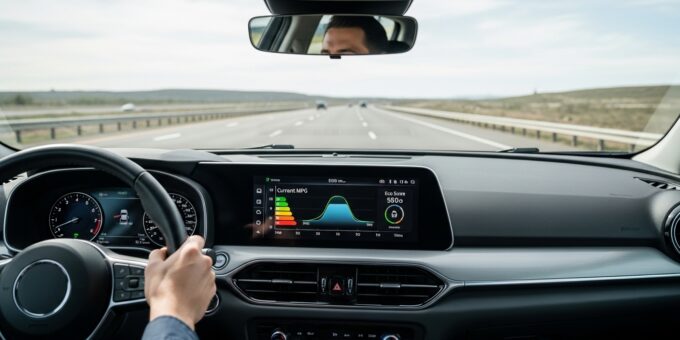
Tracking your fuel usage helps you identify patterns and areas for improvement. Many modern cars provide real-time fuel economy data.
You can also manually calculate mileage by dividing miles driven by gallons used.
13. Use Higher Gears Efficiently
Driving in the correct gear helps reduce engine strain. Lower gears consume more fuel, so shift to higher gears as soon as it is safe.
Automatic vehicles also benefit from smooth acceleration and steady driving.
14. Avoid Roof Racks When Not Needed
Roof racks create aerodynamic drag and reduce fuel efficiency. Remove them when not in use to improve mileage.
15. Consider Fuel-Efficient Vehicles
If you are planning to upgrade your car, consider models designed for fuel efficiency such as hybrids or electric vehicles.
Learn more about efficient vehicles at
FuelEconomy.gov.
Financial Benefits of Saving Fuel
Reducing your fuel expenses can free up money for other financial goals. You can invest your savings into building passive income streams or starting an online business.
For example, many individuals use their savings to explore opportunities like affiliate marketing or launching a dropshipping business. While comparing business models, you might also come across topics like affiliate vs dropshipping, which can help you decide the best path for your financial growth.
Common Mistakes That Reduce Fuel Efficiency
Ignoring Maintenance
Skipping regular maintenance leads to poor engine performance and higher fuel consumption.
Driving Too Fast
High speeds significantly reduce fuel economy. Stick to recommended speed limits.
Overusing Air Conditioning
Excessive AC use increases fuel consumption, especially in city driving.
Carrying Unnecessary Weight
Extra load forces your engine to work harder, reducing efficiency.
Long-Term Strategies for Maximum Savings
Improving fuel efficiency is not a one-time effort. It requires consistent habits and regular maintenance. Over time, these small changes can lead to substantial savings.
Consider setting monthly goals to track your fuel expenses and improvements. Use the extra savings wisely by investing or building additional income streams.
Conclusion
Learning how to improve fuel efficiency and save money on gas every month is a valuable skill that benefits both your wallet and the environment. By adopting smarter driving habits, maintaining your vehicle, and planning your trips effectively, you can significantly reduce fuel costs.
Start implementing these tips today and watch your monthly gas expenses decrease. The money you save can be redirected toward financial growth opportunities such as passive income, online business, or ventures like affiliate marketing and dropshipping business.
Small changes today can lead to big savings tomorrow.
