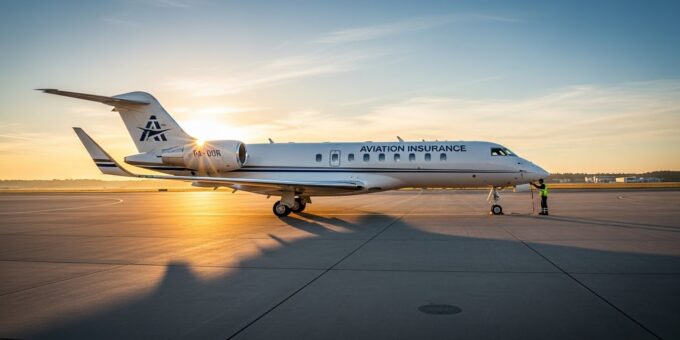
Why Aviation Risk Management Starts with Insurance
Aviation is one of the most advanced yet risk-sensitive industries in the world. From minor ground incidents to major in-flight emergencies, aircraft owners and operators face a wide range of financial and operational threats. This is why understanding how to lower aviation risks using the right airplane insurance coverage is not optional—it is essential.
The right insurance policy does more than meet legal requirements. It protects your assets, stabilizes cash flow, and ensures business continuity. Just like building an online business or generating passive income, smart risk planning in aviation requires strategy, research, and long-term thinking.
Understanding Aviation Risks in Today’s Environment
Aviation risks go far beyond crashes or mechanical failures. Modern aircraft operations involve financial, legal, environmental, and cyber-related exposures. Without proper coverage, even a small incident can lead to devastating losses.
Common Aviation Risks Aircraft Owners Face
Some of the most common risks include:
• Aircraft hull damage on ground or in flight
• Passenger and third-party liability claims
• Weather-related incidents and natural disasters
• Pilot error and crew negligence
• Hangar fires, theft, or vandalism
• Regulatory fines and legal defense costs
Each of these risks can be minimized with carefully selected airplane insurance coverage.
How the Right Airplane Insurance Coverage Reduces Risk
Choosing the correct policy structure is the foundation of aviation risk reduction. The right coverage ensures financial protection when the unexpected happens.
Aircraft Hull Insurance
Hull insurance covers physical damage to your aircraft, whether on the ground or in the air. This is one of the most critical components when learning how to lower aviation risks using the right airplane insurance coverage.
Hull insurance typically includes:
• Ground risk coverage
• In-motion and taxiing protection
• All-risk or named-peril options
Ensuring your aircraft is insured at its true market value prevents underinsurance and costly disputes.
Aviation Liability Insurance
Liability insurance protects against third-party claims for bodily injury or property damage. This includes passengers, airport facilities, and people on the ground.
High liability limits are especially important for commercial operators, charter services, and flight schools. One lawsuit can easily exceed millions of dollars.
Specialized Coverages That Lower Aviation Risk
Basic policies are rarely enough. Specialized coverage options play a major role in reducing operational exposure.
Passenger Liability Coverage
This protects aircraft owners from claims related to passenger injuries or fatalities. Many countries mandate minimum limits, but higher coverage is strongly recommended.
Hangarkeepers and Ground Liability
If you operate or store aircraft for others, hangarkeepers liability protects against damage while aircraft are under your care, custody, or control.
Loss of Use and Business Interruption
For commercial operators, downtime equals lost revenue. Loss of use coverage compensates for income loss while an aircraft is grounded for repairs.
This approach is similar to diversifying revenue streams in affiliate marketing or comparing affiliate vs dropshipping models—both aim to reduce dependency on a single income source.
Matching Insurance Coverage to Aircraft Type
Different aircraft carry different risk profiles. Insurance should always align with aircraft category and usage.
Private Aircraft Insurance
Private owners should focus on hull value accuracy, liability limits, and pilot qualification requirements. Even recreational flying involves substantial financial exposure.
Commercial Aircraft Insurance
Charter operators, cargo carriers, and airlines require complex coverage structures, including:
• Higher liability limits
• Crew coverage
• International operation endorsements
• War and terrorism risk insurance
Specialty and Experimental Aircraft
Experimental, agricultural, and aerial photography aircraft face unique underwriting challenges. Working with specialized aviation insurers is essential.
How Pilot Experience Impacts Insurance Risk
Pilot qualifications directly affect insurance premiums and coverage terms. Insurers evaluate:
• Total flight hours
• Time on aircraft type
• Recent flight experience
• Training and certifications
Investing in recurrent training not only improves safety but also lowers premiums over time.
Risk Management Beyond Insurance
Insurance is most effective when combined with proactive risk management strategies.
Maintenance and Safety Programs
Regular inspections and adherence to manufacturer maintenance schedules reduce claim frequency. Insurers often reward strong safety records with better terms.
Operational Policies and Documentation
Clear operating procedures, pilot manuals, and emergency response plans demonstrate professionalism and reduce liability exposure.
This mirrors best practices in building a dropshipping business or scaling an online business—systems reduce chaos, and structure lowers risk.
Choosing the Right Aviation Insurance Provider
Not all insurers understand aviation risks equally. Choosing the right provider is a critical step in lowering long-term exposure.
What to Look for in an Aviation Insurer
• Strong financial ratings
• Aviation-specific underwriting expertise
• Global claims support
• Flexible policy customization
You can explore reputable aviation insurance providers through industry resources like
AOPA and
FAA guidance materials.
Common Mistakes That Increase Aviation Risk
Many aircraft owners unknowingly increase their exposure through poor insurance decisions.
Underinsuring Aircraft Value
Choosing a lower hull value to save premiums often backfires during claims.
Ignoring Policy Exclusions
Some policies exclude specific uses, pilots, or geographic regions. Always review exclusions carefully.
Not Updating Coverage
Changes in aircraft use, pilot roster, or operating regions require policy updates. Outdated coverage creates dangerous gaps.
Why Aviation Insurance Is a Long-Term Investment
Airplane insurance should be viewed as a strategic investment, not a cost. The right coverage stabilizes finances, protects reputation, and supports growth.
Just as investors compare affiliate vs dropshipping when building passive income, aircraft owners must compare policies to find optimal protection.
Final Thoughts: Lowering Aviation Risk with Confidence
Understanding how to lower aviation risks using the right airplane insurance coverage empowers aircraft owners to operate confidently in a complex environment. From hull protection to liability management and specialized endorsements, the right policy transforms uncertainty into control.
By combining comprehensive insurance, proactive safety practices, and expert advice, aviation professionals can reduce risk, protect assets, and ensure long-term operational success.
For related insights, you may also explore internal guides such as
How to Compare Airplane Insurance Policies
and
How to Reduce Airplane Insurance Costs.
